
Castleford and Felkirk Conservation Areas
The Our Heritage, Our Stories project has supported the creation of two new conservation areas in Castleford and Felkirk. The two areas are very different, but both have unique and important heritage that is now formally recognised and protected for the future, thanks to the work of their local communities. Read on to find out more.
A conservation area is an area designated by a local authority for its special architectural or historic interest. These areas make sure that the historic character of towns, villages, and neighbourhoods is recognised when future development is being planned and agreed. They also provide legal protection for key buildings, trees and important landscape features. Wakefield District currently has 31 conservation areas. The newest of these are in Felkirk / Hodroyd (close to South Hiendley) and Castleford.
Both of these areas were proposed as potential conservation areas by local community organisations, Felkirk Heritage Group and Castleford Civic Society. Members of the groups worked closely with Wakefield Council's conservation team to make a case for their significance, research how the two proposed conservation areas have developed over time, and how what we can see today represents that history. A public consultation was held in both areas, with face-to-face information, question and feedback sessions, and an online survey where people in the local areas, and other interested parties, could signal their support, or voice their concerns. The research and consultation process was supported by the Our Heritage, Our Stories project.
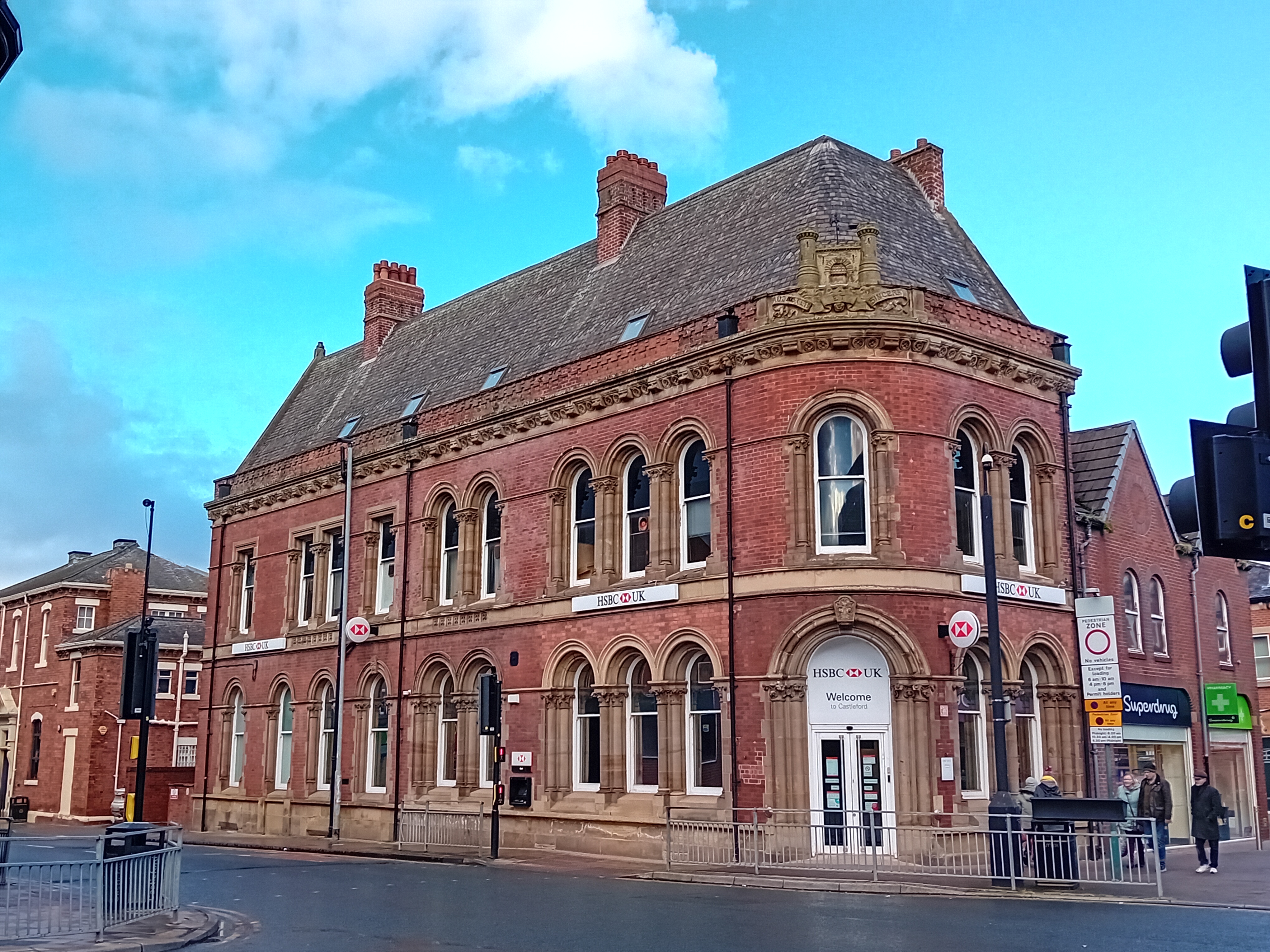 HSBC Bank on Bank Street, Castleford
Following the consultation, and formal assessment by the council, both areas were designated as conservation areas. This new status recognises the importance of the built and buried heritage in both areas and gives the heritage new level of legal protection in future.
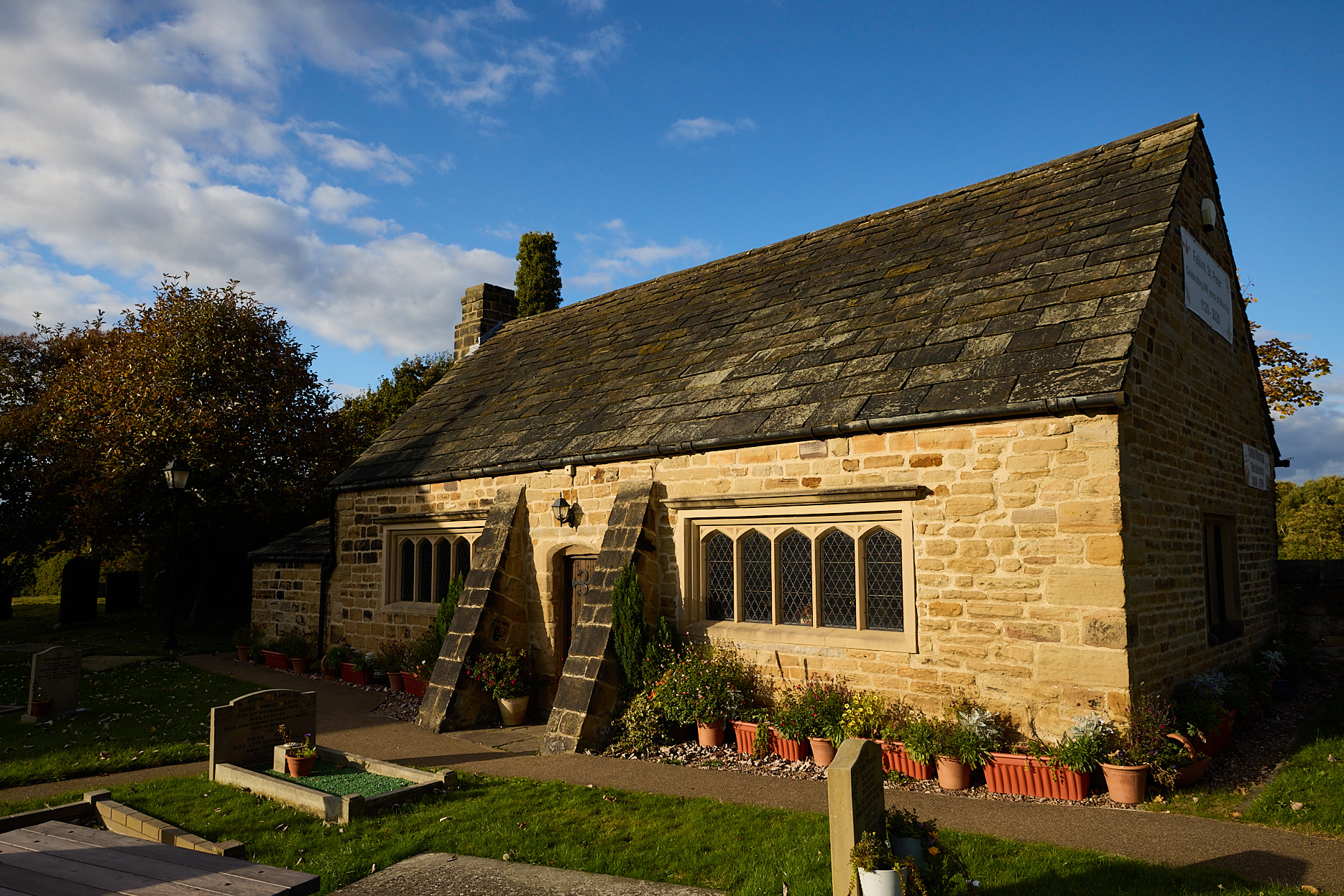
The Felkirk / Hodroyd conservation area is centred on St Peter's Felkirk medieval church. It includes the deserted medieval village of Hodroyd, now a scheduled ancient monument, the Elizabethan Schoolroom and the 17thcentury Hodroyd Hall, as well as the route of former industrial tramways and post-medieval tanning pits in nearby woodland. Felkirk / Hodroyd has a fascinating history, with multiple listed buildings, gravestones and buried archaeology. Oliver Cromwell is thought to have recovered at Hodroyd Hall after the battle of Marston Moore and the sacking of Pontefract Castle. It is rumoured that Hodroyd Hall was the first place in the north of England to cultivate strawberries, and it later became a nunnery and a National Coal Board social club. Despite being closely associated with mining in the 19th and 20th centuries, the character of the village is rural, and its medieval landscape is still readable today.
The Castleford Conservation covers Bank Street, Bradley Street, Wesley Street and a small section of Sagar Street, in the town centre. This area was developed in the 19th century as the growth of local industry, including glass making and coal mining, transformed Castleford into the vibrant town that we know today. Castleford was established as a seasonal fort and then centre of trade and manufacture in the Roman period, but following the collapse of the Roman empire, Castleford fell quiet until the industrial growth of the 18th and 19th centuries. The streets of the conservation area are still home to many of the impressive commercial, residential, community and even religious buildings that were developed as the town grew throughout the 19th and early 20th centuries.
Find out more about our district's conservation areas: Conservation areas - Wakefield Council